
For an online platform, real accessibility has to be baked in from the start. I decided to put About Casino Instant through its paces, checking how it works with a screen reader from an Australian player's point of view. This is not about ticking a box for compliance. It's about figuring out if someone with a visual impairment can actually use the site day-to-day. I reviewed everything from finding my way around and playing games to getting help, to see if Instant Casino gives every Australian a proper shot at gaming, no matter their ability.
Instant Casino offers a partially accessible shell. An Australian using a screen reader can move through the site and control their money with confidence. The platform's framework shows clear consideration for these tasks. But everything collapses at the main event: playing the games. The fact that most game content is inaccessible, due to the choices of external providers, remains a huge wall that prevents full and equal participation in what a casino is for—gaming.
So, Instant Casino has created a necessary and decent foundation that surpasses basic rules in some important areas. Yet, for a visually impaired Australian player who wants to game independently, the platform constructs a pathway that leads to a locked door. Its promise of true inclusivity will only be met when it employs its influence to demand and highlight accessible games, turning accessible menus into accessible play.
Examining the Australian online casino scene, Instant Casino falls in the middle range. It surpasses older sites that employ outdated tech or have awful keyboard support. But it does not achieve the high bar set by some international brands that impose stricter rules on their game providers and publish detailed guides for assistive tech users.
The whole market faces this problem because it is dependent on third-party game studios, leading to a patchy experience. Instant Casino is far from the worst here, but it's not driving a push for change either. The current setup seems more like it's propelled by a need to comply, not by a design philosophy centred on the user. For an Australian player with a visual impairment, there aren't many great options. That makes the accessible features Instant Casino does have quite valuable, even if the overall experience still seems limited.
My first move was to start a screen reader like NVDA and head into the Instant Casino lobby. The basics were solid. The site structure made sense, with well-defined landmark regions like header and navigation that allowed me to jump between sections efficiently. Headings were mostly well-organized, so I could build a mental map of the page simply by listening. Key actions like 'Deposit' and 'Promotions' were reachable using the Tab key, which is crucial for anyone not using a mouse.
But a casino lobby is a crowded, cluttered place. That visual noise became an auditory overload. The screen reader started voicing what felt like an non-stop stream of game thumbnails. In some sections, the games weren't grouped with useful labels, so I was forced to listen to them one by one. The search and filter tools functioned with the keyboard, which became my key tool for navigating the clutter. The lobby was functional, but it has the potential to be a lot quicker with a few shortcuts built specifically for screen reader users.
This aspect of Instant Casino was a strong point. The parts for deposits, withdrawals, and checking your history used regular form elements that my screen reader processed without issues. Entry fields for amounts, dropdowns for payment methods, and confirmation buttons all worked with keyboard commands. When I had an error, validation messages appeared and were read aloud, so I could fix errors without needing to see a red warning on the screen.
Clarity with money is everything. My screen reader read the transaction history tables row by row, clearly reading out dates, amounts, and statuses. Security steps like two-factor authentication prompts also worked with the assistive tech. This standard of access in the financial zones is essential. It offers users complete control over their own money and builds trust. Instant Casino's work here shows they put real effort into making essential admin tasks accessible for everyone.
Instant Casino's biggest strength is its foundational web accessibility. The site structure, keyboard support for core features, and the accessible account and money management sections prove someone understands the WCAG guidelines. These pieces let a user sign up, handle their cash, and look through promotions with a good degree of independence. The platform doesn't create unnecessary walls, which already puts it ahead of many rivals who ignore these basics.
The most striking weakness is the inconsistent, and often missing, accessibility inside the games themselves. It creates a strange split: you can navigate the casino but you can't play most of its games on your own. Other spots for improvement include better labels for game categories, adding 'skip to content' links, and posting an accessibility statement that lists known limits and who to contact with feedback. Steps like these would shift the platform from being technically navigable to being genuinely playable.
Good support is the safety net for any usable site. I was able to use the keyboard to start and use Instant Casino's live chat. That said, the live chat window itself at times took over my screen reader's focus, requiring me to look manually for new agent messages. The FAQ and help centre pages were built with plain HTML, so I could scan through headings to find answers fast.
It was encouraging to find that other contact methods, like email and phone, were easy to find and were announced clearly. This is crucial for solving tricky problems that might come from accessibility holes elsewhere on the site. The last piece of the puzzle is staff training. While I couldn't test it directly, a truly inclusive platform needs support agents who know how to help users who depend on assistive tech. That knowledge can change a frustrating experience into a resolved one.
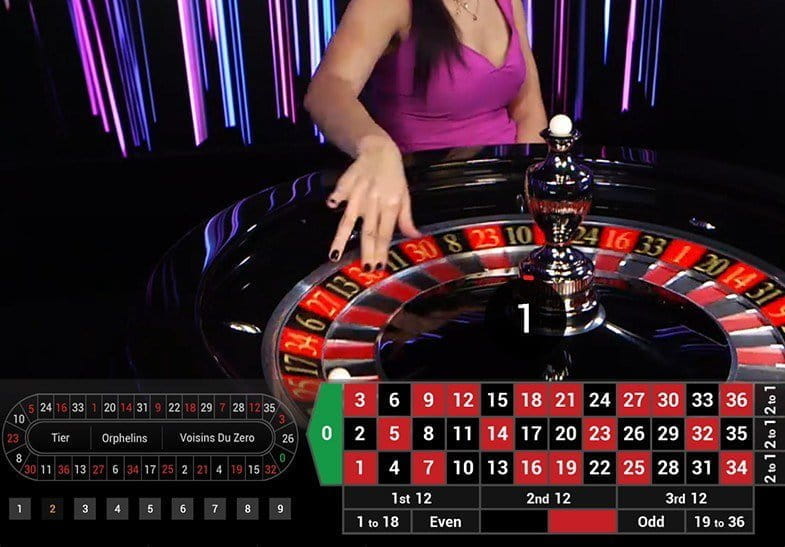
This is the critical point, and the impression depends entirely on which game you pick. On Instant Casino, slots from big-name studios were a varied lot. Many opened inside an HTML5 canvas, which often functions as a black box for screen readers. In numerous titles, my screen reader could only indicate a game window was there. The results of a spin, my current bet, my credit balance—all of that was silent. You just can't play independently if you don't know what's going on.
Some classic table games and easier instant win games did more successfully. Titles that used more typical web tech tended to offer more precise audio feedback. The platform's own interface for configuring your bet before a game launched was consistently accessible by keyboard. This highlights a major issue: Instant Casino manages its outer shell, but the games themselves come from other developers. The casino could help by pointing players toward games that are more accessible, but I didn't observe that feature promoted.
If Instant Casino wants to be a leader, it ought to partner with experts like Vision Australia for proper audits and real user testing. Inside the company, they need a clear plan for accessibility. That plan should include an 'Accessibility Filter' on the game lobby to flag titles that work well with screen readers, and direct work with top game makers to push for and test better designs.
Publishing a detailed accessibility statement would be a impactful, simple move. This page should list what works, what doesn't (especially with games), other ways to get help, and a direct email for accessibility questions. Training the support team on how to handle queries about assistive technology is just as important. These actions would turn accessibility from a hidden feature into a core part of the brand, building serious loyalty with a part of the Australian gaming community that's often ignored.
I tested Instant Casino on a phone through the browser, employing VoiceOver on iOS and TalkBack on Android. The experience reflected what I found on desktop, with the additional difficulty of touchscreen gestures. The responsive design meant the main menu compacted nicely, and I could explore by touch to discover buttons. But the gaming problems I encountered earlier became worse on a small screen, where so much information is shown visually.
Struggling to carry out complex game gestures in a mobile browser was inconsistent, and largely impractical. This mobile test clearly highlights the necessity for a dedicated app designed with accessibility in mind, which Instant Casino lacks right now. For a mobile user with a screen reader, the site operates for browsing and managing your account, but actual gameplay is currently out of reach for the majority of titles, leaving you with only a portion of what's on offer.
In Australia, screen reader accessibility involves designing websites so assistive software can interpret them. This software, used by blind or visually impaired people, turns text, buttons, and other elements into speech or braille. For an online casino, that's a big ask. Every single button, from 'Login' to 'Spin', every menu, and every account setting has to be accessible by the software. It needs proper HTML, descriptive text for images, a logical flow, and full keyboard control. The point is simple: the excitement of the game shouldn't be locked behind a screen you need to see.
There's a legal and ethical push for this in Australia, driven by the Disability Discrimination Act 1992 and standards like WCAG. For Instant Casino, getting this right shows they value social responsibility, and it just makes good business sense. It turns the platform from a simple service into a space that welcomes more people. My review checks if these ideas are built into the core experience, or just included as an afterthought.

