
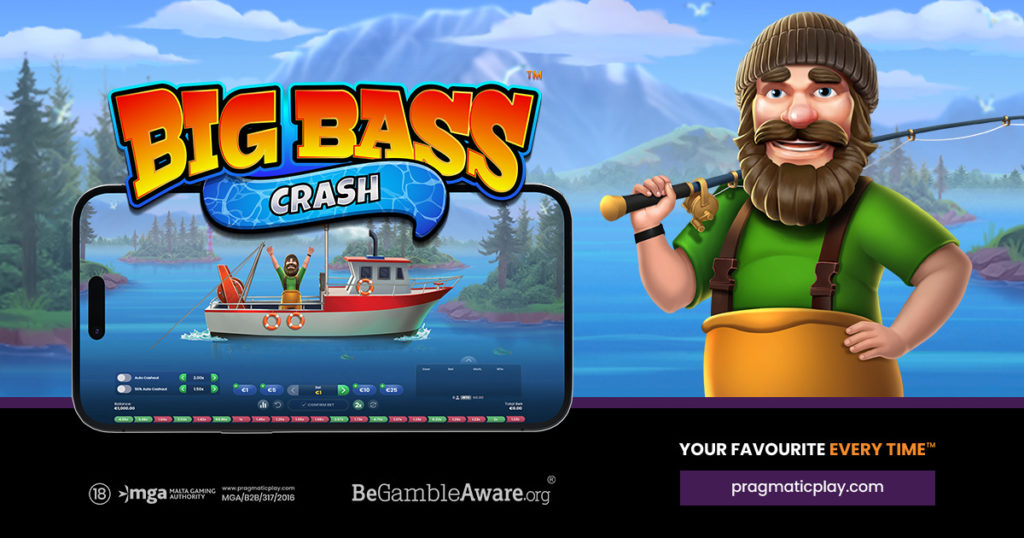
Canada Day approaches, and the country anticipates for those first brilliant flashes against the night. From Vancouver's skyline to the Halifax waterfront, we all watch for the same thing. This year, that familiar excitement finds a curious echo in another place: the digital world of iGaming. Titles like Big Bass Crash Game capture a similar kind of suspense, a buildup and release that feels oddly like watching a fireworks show.
Pyrotechnics on Canada Day are beyond an exhibition. This is an all-country ritual. Over a few minutes, the pop and burst in the sky pull together people from all parts of the country. These spectacles convey a tongue of light comprehended by everyone, a collective expression of pride that needs no translation. Municipalities and cities channel organization and resources into these events, a collective investment that yields returns memories lasting long after the smoke drifts away.
Every urban center puts its personal touch on the night. Ottawa's explosions over Parliament Hill constitute the definitive centerpiece. Toronto's colors gleam on Lake Ontario, Calgary's show illuminates Stampede Park, and Montreal offers its own vibrant energy. Nevertheless for all this geographic range, the sentiment underneath is uniform. The distance between provinces fades when everyone is watching the same type of magic at the same time.
Small communities are just as important to this tradition. Places like Lunenburg in Nova Scotia or Banff in Alberta use their stunning natural landscapes as a backdrop for displays that ignite intense local pride. These community events demonstrate something: celebrating the nation doesn't only happen in big cities. It's a community-wide affair, where every crackle and fizzle from a local park adds another thread to the country's story on July 1st.
Staging a major fireworks display is a massive logistical operation. It involves thorough safety checks, environmental reviews, and close coordination with police and fire crews. In Canada, these events are centered on public safety and guaranteeing everyone can join in. You'll often find sign language interpreters and designated viewing areas for people with mobility challenges. The volunteers and pros who make it happen show a level of devotion and accuracy you
How come games similar to Big Bass Crash appeal with Canadian players? Several cultural connections come together. People in Canada often enjoy outdoor pursuits that involve a calculated risk, from the physical tackles of ice hockey to the deliberate scaling of mountaineering. The calculated move in a crash game—choosing the right moment to exit—reflects the strategic mindset in these recreational activities. Plus, the game's fishing motif connects with Canada's strong angling legacy, bringing a touch of comforting reminiscence to the digital mechanics.
This bond goes deeper, into our shared value of patience. Just as a fisher waits for the ideal pull on the line, a crash game participant must judge the precise moment to cash out. It's a cycle of attentive observation then a a critical action. That cycle feels familiar in the way Canadians play, making the central gameplay intuitive and engaging for many.
Gaming culture in Canada puts a heavy emphasis on playing responsibly, on fairness, and on transparency. Reliable casinos that provide Big Bass Crash follow strict rules set by provincial bodies like the AGCO in Ontario or BCLC in British Columbia. The game's use of provably fair systems, allowing players to check the fairness, matches exactly with the Canadian demand for integrity.
This controlled setting enables users to experience the game's rush securely, akin to relying on that a city fireworks show will be carried out safely. The system makes sure the 'crash' is triggered by a certified random number generator, not by some arbitrary decision from the house. It upholds that social contract of fair chance,
Finding similarities between celebration and gaming excitement highlights a crucial point: responsibility. In Canada, responsible gaming isn't a side note. It's a foundation. All licensed operators need to supply strong tools for establishing deposit caps, pausing play, or banning oneself. This system serves to keep the entertainment fun and controlled, much like partaking in a holiday gathering without overindulging.
The philosophy extends to marketing and game design itself. Mandatory reality check pop-ups, clear clocks indicating your play time, and designs that discourage encouraging players to chase losses are all regulatory requirements. This proactive design ethic establishes consumer protection right into the product. It aids in stopping the thrill of the "crash" from escalating into harmful behavior, similar to how safety perimeters and fire codes regulate public fireworks for everyone's safe enjoyment.
Canadian players have access to a strong network of support. Provincial organizations operate dedicated educational sites, like the Responsible Gambling Council's "PlaySmart" program. Inside the games themselves, features like reality checks and prominent clock displays encourage mindfulness. Using these tools enables people interact with titles like Big Bass Crash Game in a healthy way.
Beyond in-game features, the national structure delivers clear help pathways. Groups like the Canadian Centre on Substance Use and Addiction (CCSA) and province-specific helplines provide confidential support. This multi-layered safety net—from personal tools to national systems—shows the community-focused approach Canada takes. It seeks to ensure all forms of entertainment, especially those involving chance, are experienced within a framework of well-being and smart choice.
Canada Day is a collection of rituals: marches, shows, garden barbecues, and certainly, displays. The day reflects our diverse character and the values we hold. The virtual landscape, play included, is today component of that fabric. Online competitions with national motifs, festive offers on licensed platforms, and in-game social gatherings are turning into elements of the festive ecosystem. They provide new methods to interact and showcase our national character.
This incorporation marks a developed virtual society. Digital recreation is currently regarded as a valid and vibrant segment of contemporary life. Just as fireworks tech advanced from basic shells to computer-coordinated symphonies, digital leisure has developed to offer advanced, socially-integrated experiences. Acknowledging this transformation allows us understand how diverse kinds of festivity can coexist together. They provide multiple routes to delight and social participation year-round.
Look at the broader framework of Digital Culture in Canada. We have a flourishing indie game creation industry, often taking cues from Canada's scenery and tales. This artistic production improves the entire virtual ecosystem with material that connects at home and overseas. It creates a base of quality and innovation. That bedrock makes the adoption of games, even within a festive setting, appear like a natural move for a country that's equally tech-savvy and culture-focused.
Licensed Canadian iGaming operators have a part in this national structure. They design offerings around countrywide festivities. This involves not just slapping a promotion on the homepage. It includes developing time-limited game modes, hosting benefit events for national organizations, and creating aesthetic designs with maple leaves or other patriotic emblems. These business initiatives indicate an understanding of their role in the community calendar. They place virtual play as a current part of countrywide celebration.
Patriotic holidays like Canada Day are changing. They now have digital dimensions. Digital groups and play platforms become virtual gathering spots where people spread the festive mood. Titles with powerful social elements can create a sense of community that overcomes geographical gaps. They let Canadians in remote areas, or those who are unable to join a major event, take part in a group event. This online fellowship is a modern expression of patriotic feeling.
In this context, a game like Big Bass Crash acts as a small-scale example of festivity https://bigbasscrashcasino.ca/. Its moments of big wins and collective tension create digital "fireworks" that players experience together. The game's themes aren't overtly patriotic, but they leverage the common delight of a spectacular payoff—a feeling firmly integrated into our July 1st customs. This combination of digital thrill and celebratory spirit suggests a modern approach we show and feel shared happiness.
You can observe this intersection happen during special Canada Day promotions. Authorized gambling sites host competitions with themed scoreboards. Messaging tools hum with "Happy Canada Day" messages. They introduce a holiday virtual touch right on top of the regular play. These initiatives show how online spaces can be designed to mirror patriotic occasions, presenting a simultaneous, participatory event that sits alongside traditional outdoor activities.
The social tools built into modern iGaming platforms are essential. A real-time chat lets a player in Newfoundland and another in British Columbia exchange a reaction to a massive victory or a quick loss, building instant camaraderie. Streaming platforms like Twitch broaden this to a greater degree. People come together to watch and remark on gameplay together, establishing a collective watching event not dissimilar to a open-air fireworks display. It transforms single-player gaming into a interactive group experience, reinforcing group connections in a digital age.
Think of how a pyrotechnic display starts gradually and ascends to a spectacular finale. Big Bass Crash Game operates on a comparable principle of rising tension. The core feature is a multiplier that climbs until it unexpectedly explodes. It produces a true sense of suspense, like watching a projectile race upward, unsure when it will detonate. Users encounter that same thrilling dilemma: collect soon for a guaranteed outcome, or ride further for a greater reward. It reflects the stunning peak of a ideal pyrotechnic sequence.
This online experience follows the same emotional route as
The future of celebration in Canada will be a hybrid one, perfectly blending physical and digital experiences. We might see augmented reality apps that paint digital fireworks over your own backyard sky. Or interactive public displays where crowd noise influences the show's pattern. The iGaming sector will keep innovating too, probably adding more social and community features that copy the collective buzz of a national holiday gathering.
Technology will blend these worlds in new ways. Picture a Canada Day event where the live fireworks display is synced to a companion app. The app could run a crash-style game where the multiplier is tied to the real show's crescendo. Integrations like this could connect the physical-digital divide. They would create unified experiences that take the best from both worlds: the communal awe of a live event and the interactive pull of a game.
The path forward must hold onto the core values that define Canadian celebrations: inclusivity, safety, and simple joy. Advances in pyrotechnics or in game design should keep the focus on creating shared, positive experiences. As platforms and developers continue working within Canada's strong regulatory framework, players can expect entertainment that's not just thrilling, but also trustworthy and responsible.
That ensures the digital "fireworks," whatever shape they take next, keep inspiring wonder without sacrificing the principles we care about. The lasting appeal of that fireworks climax—that breathtaking moment of explosive beauty—is a feeling coded deep into how we celebrate. It's a feeling that goes beyond the medium. You can find it in the night sky over Gatineau Park, or in the rising multiplier of a well-made game. Moving ahead, we welcome all forms of entertainment that deliver that spark, as long as they're enjoyed with the mindfulness and community spirit that feels so distinctly Canadian.

