
Canadian families are getting ready for the long weekend, and something new is occurring to the traditional Easter egg hunt. A digital twist is gaining ground. The thrilling excitement of the Jetxgame Coupons is making its way into family rooms and kitchens during family get-togethers. Nobody is throwing away the plastic eggs or abandoning the backyard search. But for the older individuals and older children, this online game offers a mutual rush that fits right into the holiday's pace. It indicates a larger transformation, where rapid, accessible online games form part of our social fabric. They present a new method to connect, one that makes sense for households stocked with screens. This Easter, after the remaining egg is discovered, you might just hear the family collectively gasp as a virtual jet climbs higher on a phone, forging a new kind of collective memory.
Easter in Canada has always blended the sacred and the festive, built on family, faith, and the turn toward spring. For years, the script remained beautifully familiar: church services, a big meal, and the classic egg hunt for the kids. These rituals offered the year a comforting pulse. But over the past decade, a digital undercurrent has seeped into the day. Smartphones are everywhere, and internet connections are constant. Our gatherings are no longer isolated from the online world. Tablets display recipes, phones capture the chaos, and multiplayer games have become a new kind of parlor entertainment. This is where a game like JetX creates a space. It isn't the headliner. It's more like an intermission—a engaging activity that bridges generations. It particularly appeals to older teens, young adults, and parents who seek a shared, adrenaline-filled moment that doesn't require a whole afternoon.
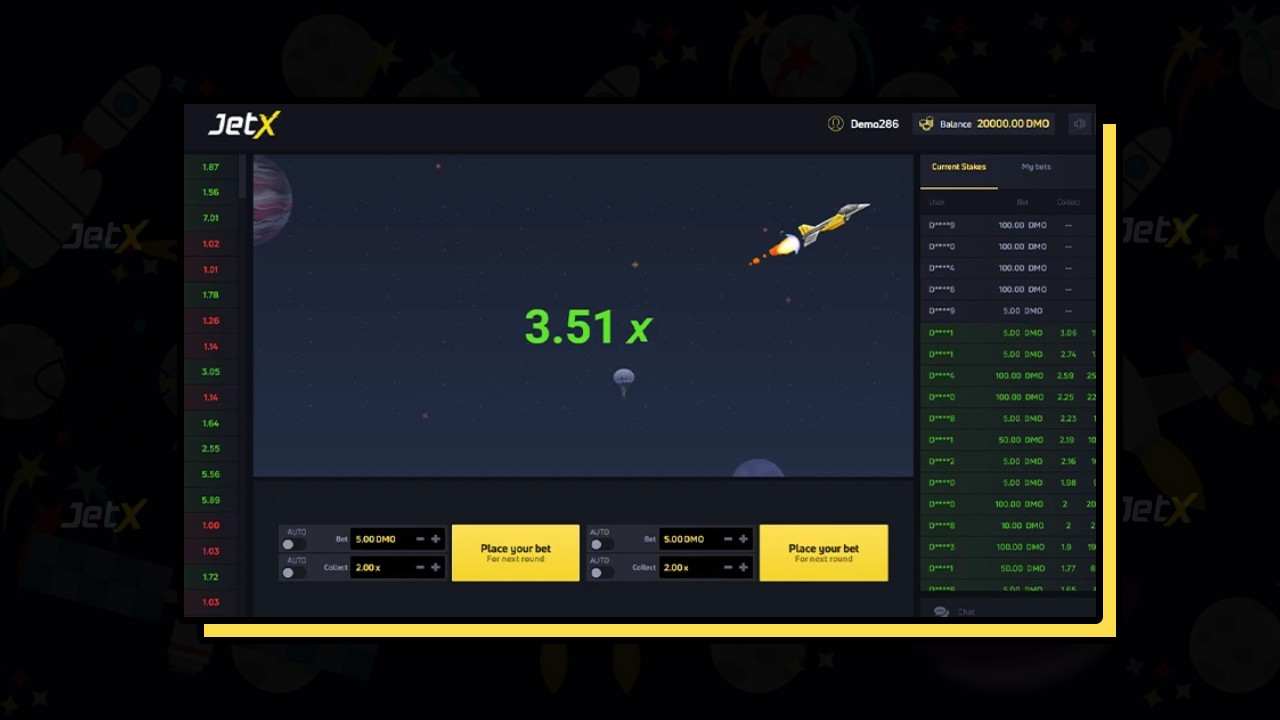
JetX works at a family Easter due to its mechanics and its social draw. The game is founded on anticipation and risk. Players bet on a multiplier as a jet climbs, and they must cash out before it randomly flies away. This setup is excellent for group involvement. JetX isn't a complex strategy game that traps players into solitude. Its simple idea enables everyone crowd around one screen, yelling advice, shouting to cash out, and sharing every groan or cheer. It transforms a solo screen activity into a community event. For Canadian families, who often live hours apart and reunite mostly on holidays, this shared digital moment becomes a powerful bridge. No special skills are needed. Rounds are short. The reactions are immediate and genuine. These ingredients make it a compelling modern addition to an afternoon usually occupied with talk or a movie.
Watch a family play JetX together and you notice a unique dynamic. One person usually handles the device, but the choices become a group effort. An uncle might recommend caution, a sibling might push for one more second, and the collective tension mounts with the rising number. This interactive spectatorship is the key. It feels like watching a sports game together, but with a direct, if virtual, stake in the result. The game's visuals are simple—a clear graph and a climbing jet—so anyone can comprehend what's happening instantly. In a living room smelling of ham and yeast rolls, this digital distraction becomes a center for laughter, friendly arguing, and shared suspense. It breaks the ice and draws in relatives who might not find common ground elsewhere.
One of the trickier parts of modern family functions is finding something a twenty-year-old and a fifty-year-old both like. JetX, against expectations, builds that bridge. Its central thrill—the gamble on when to quit—is a universal feeling. It's like the tension in a board game or the draw of a raffle ticket. For younger people, it's a familiar format from the online gaming world. For older adults, it's a straightforward game of chance with instant results. This cross-generational pull stops the common holiday scene where age groups splinter off into different rooms. It creates common ground, a shared language of "one more try" that can keep a family engaged together for a good while.
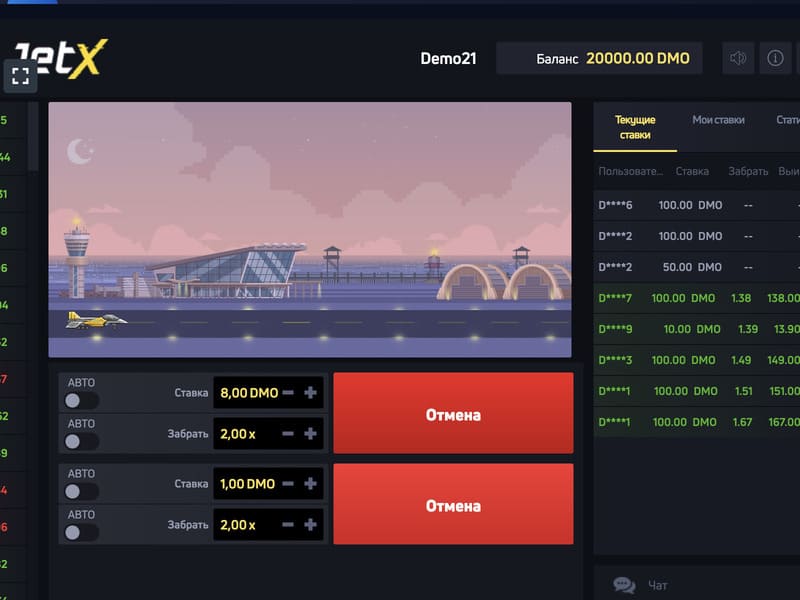
Adding anything new to a tradition requires a light touch and good balance. Families aren't trading the egg hunt for a JetX championship. They are integrating the game into the day's sequence. A typical schedule might go like this: morning church, then the kids' egg hunt outside while the adults cook. After the big lunch, as the house calms into a lazy afternoon, someone suggests a few rounds of JetX. This turns the game a post-meal activity, a modern version of pulling out a deck of cards. The crucial part is its optional nature. It provides an alternative to a nap or a heavy conversation, presenting a neutral and exciting shared focus. It acknowledges the day's traditional anchors while adding a contemporary layer of fun.
Bringing any game with betting mechanics into a family space demands a proactive and conscious approach. The very thing that makes JetX engaging—the thrill of risk and reward—is what makes clear boundaries essential. At a Canadian family gathering, this conversation is key. The activity must be positioned explicitly as entertainment, never as a way to earn money. The most responsible path is to stick strictly to the game's demo or free-play modes, where no real money is used. This keeps all the social excitement and tension while eliminating any financial risk. Parents and older relatives need to demonstrate this behavior. They should express outright that the fun comes from the collective experience and the game's mechanics, not from potential gain. This creates a healthy example, especially for younger eyes, and ensures the activity a lighthearted part of the holiday.
Children and teenagers notice everything. Their views on gaming and risk are often influenced by what the adults around them do. If the grown-ups are having a lively, clearly recreational group session of JetX using virtual credits, it becomes a teachable moment. It illustrates that digital games can be a source of family fun when handled with the right mindset. It also lets adults openly speak about the difference between play and real-money gambling. They can touch on ideas like budgeting, chance, and entertainment value. By making the activity transparent, communal, and free of financial risk, families enjoy the digital thrill while quietly imparting lessons about moderation. The game becomes a collective social event, not a solitary pursuit.
Introducing a game like JetX to an Easter celebration is a modest example of how Canadian culture changes. Our traditions are not museum pieces. They are living practices that absorb elements from our evolving technological and social world. The heart of Easter—rebirth, family, community—remains the same. What adapts are the ways we express that togetherness. A generation ago, it might have been a game of horseshoes or charades. Today, it might be a group clustered around a smartphone. This adaptation signals a healthy, dynamic culture. It shows our rituals are resilient enough to embrace new forms of interaction without losing their core meaning. The laughter, the shared tension, the collective memory-making—those are the unchanging elements. The tool used to enable them, whether a dyed egg or a digital jet, just aids that timeless human connection happen.
Upcoming Easters and other family celebrations will probably witness more of this mix, not less. The effectiveness of games like JetX in these environments points to a demand for quick, engaging digital experiences designed for shared physical settings. One can expect makers to design additional games with defined "party mode" options for couch co-op on a single screen. For relatives, the key message is to be intentional curators of their holiday moments. This involves deliberately selecting which digital elements to include and defining the parameters so they add to human connection, not detract from it. The aim is a hybrid celebration that celebrates beloved customs while embracing new types of gaming. This keeps family traditions meaningful, absorbing, and welcoming to all ages around the gathering.
Vizuální stránka hry není grafická, ale její hlavní mechanika se točí kolem sázení. Optimální je pro dospělé a starší mládež. Jsou-li v místnosti menší děti, využívejte jen bezplatnou demo verzi. Rámcujte ji jako prostou "raketovou hru" o správném okamžiku. Využijte příležitost k povídání o herním vývoji a rozdílu mezi náhodou a dovedností, jak je pro věk vhodné. Přístupujte k tomu jako ke komiksovému rozptýlení, ne jako k činnosti s reálnými penězi.
Nastavte si zřetelné limity před začátkem. Shodněte se jako skupina na časovém limitu, jako je půl hodiny, nebo na limitu kol, například deset. Použijte časovač. Pověřte jednu osobu, aby limity nenápadně hlídala. Díky tomu, že to bude naplánovaná, ohraničená aktivita – podobně jako samotný hon za vejci – zůstane to příjemným zpestřením. Tento přístup šetří čas pro jídlo, rozhovory a další tradice.
Hraní hry JetX na licencované platformě je pro dospělé v Kanadě legální. V rodinném prostředí je klíčová zodpovědná hra. Ujistěte se, že všichni účastníci jsou plnoletí, pokud se používají funkce za skutečné peníze. Důrazně radíme používat pro hraní v rodinném kruhu bezplatnou demo verzi. To odstraňuje finanční riziko a právní komplikace, díky čemuž je zážitek čistě o společenské zábavě.
JetX suits group play because of its easy thrilling gameplay and very short rounds. The "cash-out" feature produces perfect moments for team decisions and reactions. In contrast to complicated multiplayer games, everyone can grasp what is going on right away. The round structure lets people easily jump in or simply observe. This makes it ideal for a vibrant, informal group where focus levels differ.
Absolutely. Trusted platforms that feature JetX consistently offer a "demo" or "free play" mode that uses virtual credits. This is the best way to have fun with the game as a family. The entire excitement and team dynamics stay the same, but there's no financial stake. This approach ensures the activity stays fun, pressure-free, and focused on the fun of the shared experience.
Make the disagreement part of the fun. Create a straightforward rule. Maybe the device holder gets the final say, or you do a fast vote. You can also switch the "pilot" role each round. The debate and playful arguing are essential to the social experience. The goal isn't to maximize winnings but to share the laughter and thrill of choosing as a group.
It never is an issue, if you include it thoughtfully. The central significances of reflection, family, and renewal are upheld through the main traditions: the meal, the services, the time together. A group game is merely a contemporary form of social bonding, like playing cards after dinner. It only becomes a problem if it pushes out meaningful interaction. When used as a complementary, communal activity, it can actually strengthen the sense of togetherness.
The fabric of Canadian family tradition is showing itself to be both sturdy and adaptable. The emergence of games like JetX as a casual Easter pastime isn't an interruption. It's an evolution. It shows how new technologies can encourage shared moments of excitement and connection. When families bring this integration in with intention, clear limits, and a focus on collective fun over competition, they can successfully combine cherished old rituals with engaging new entertainment. The result is a richer, more inclusive holiday experience. It celebrates the spirit of togetherness in a distinctly modern way, making sure our traditions still mean something for the generations ahead.

